Conferences and Events

Speaking on AI, product strategy & building better products

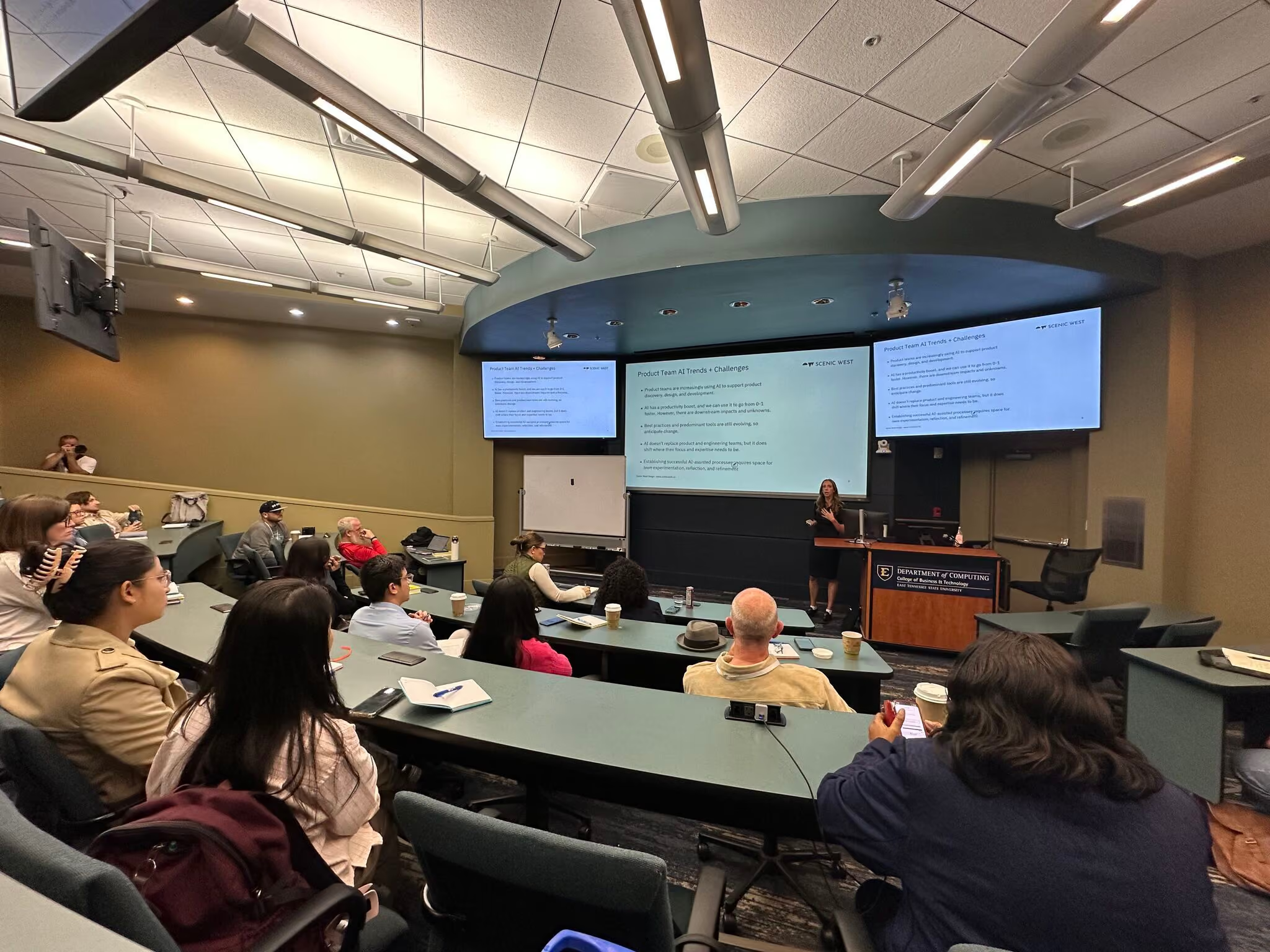
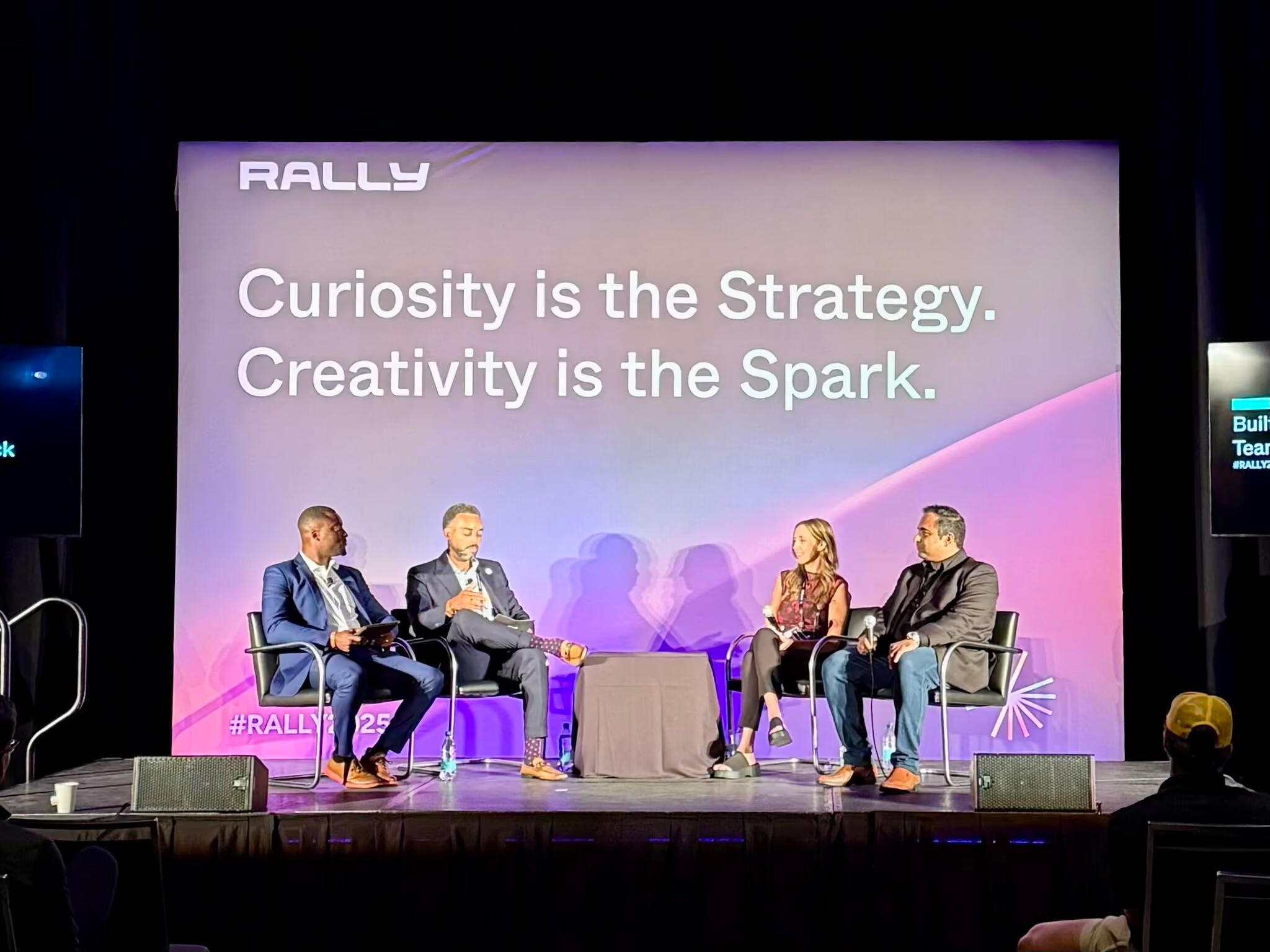
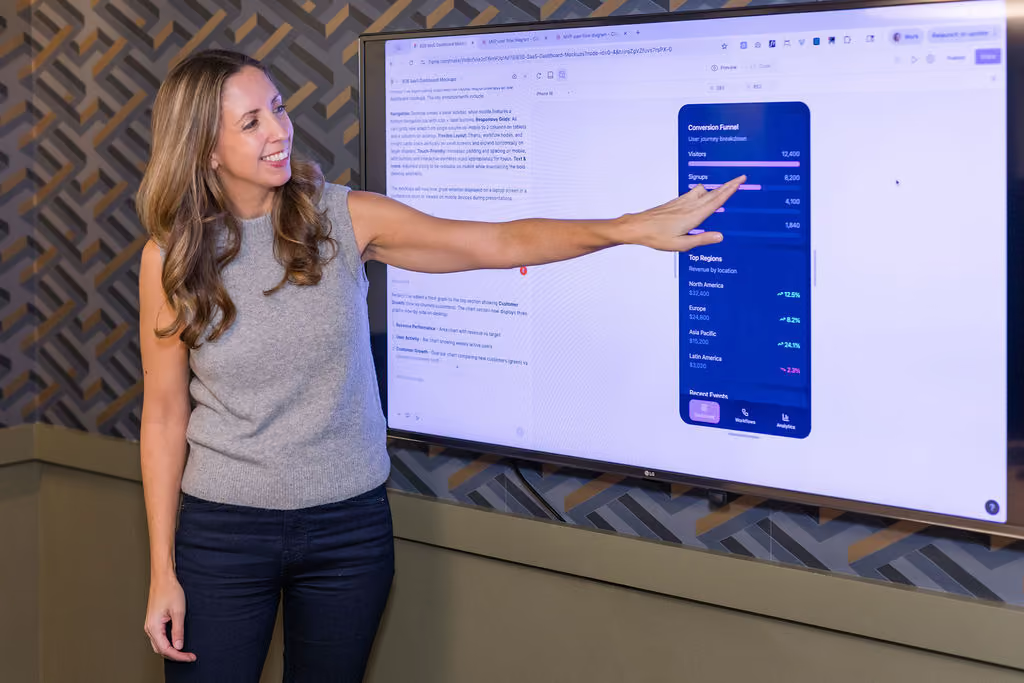
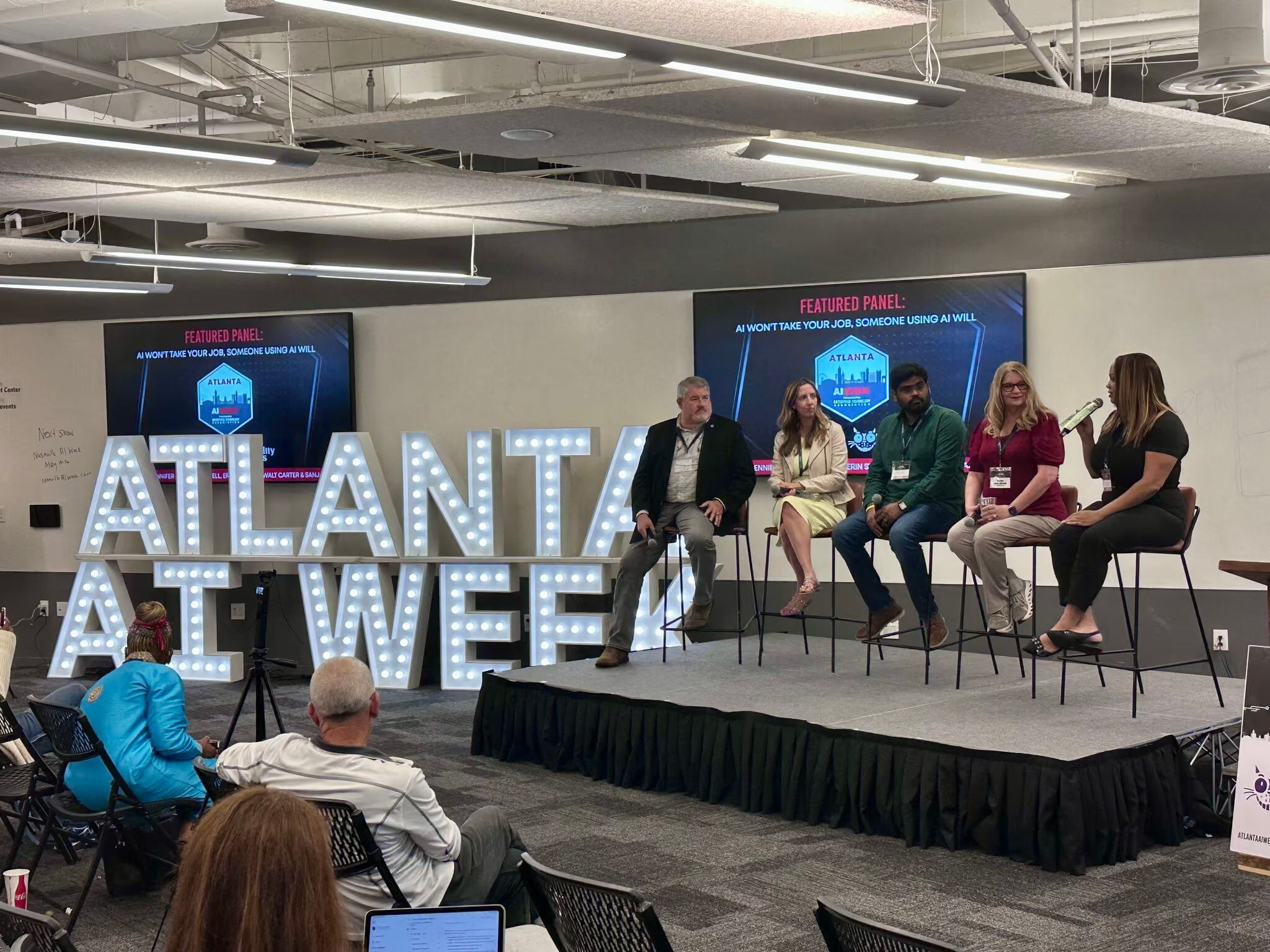
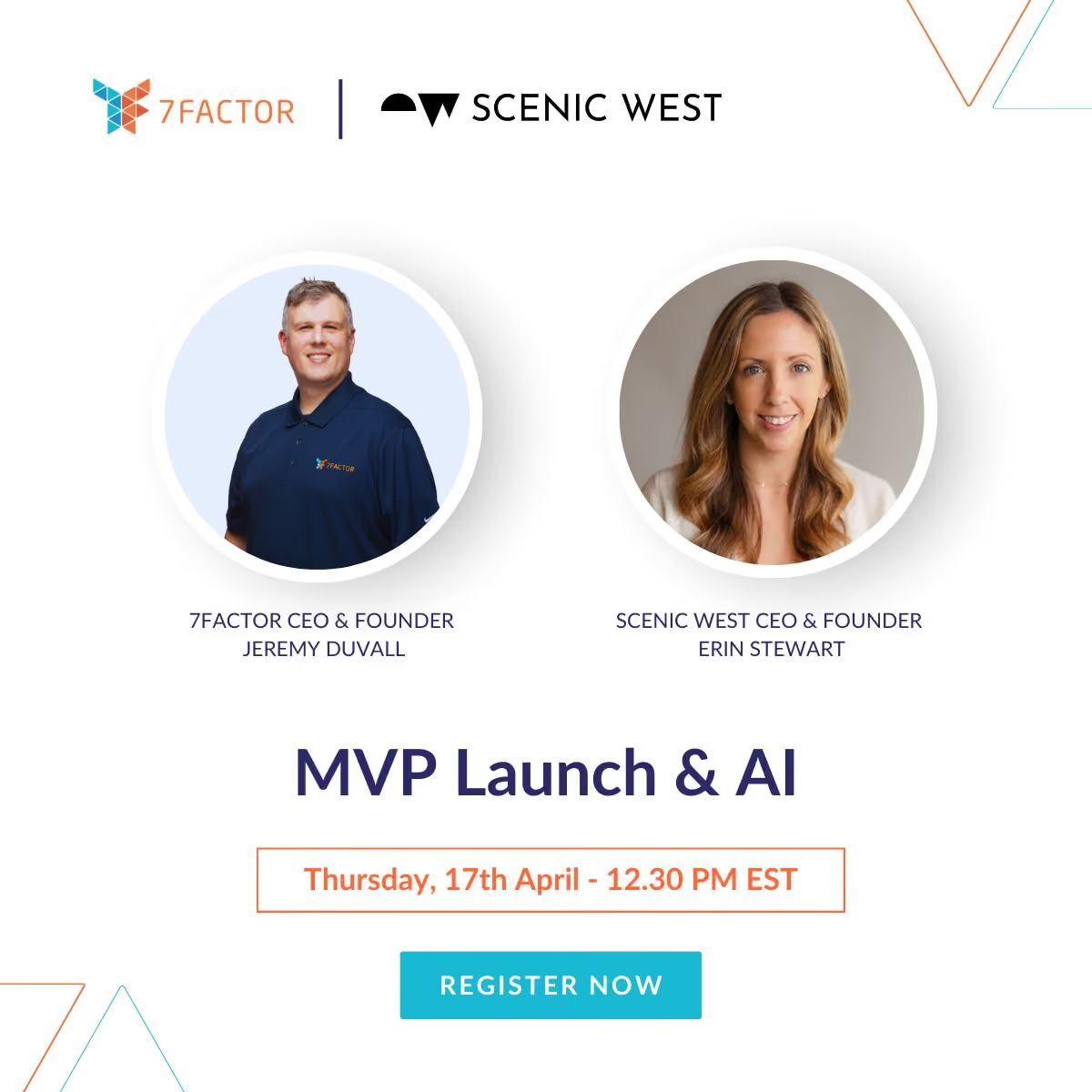
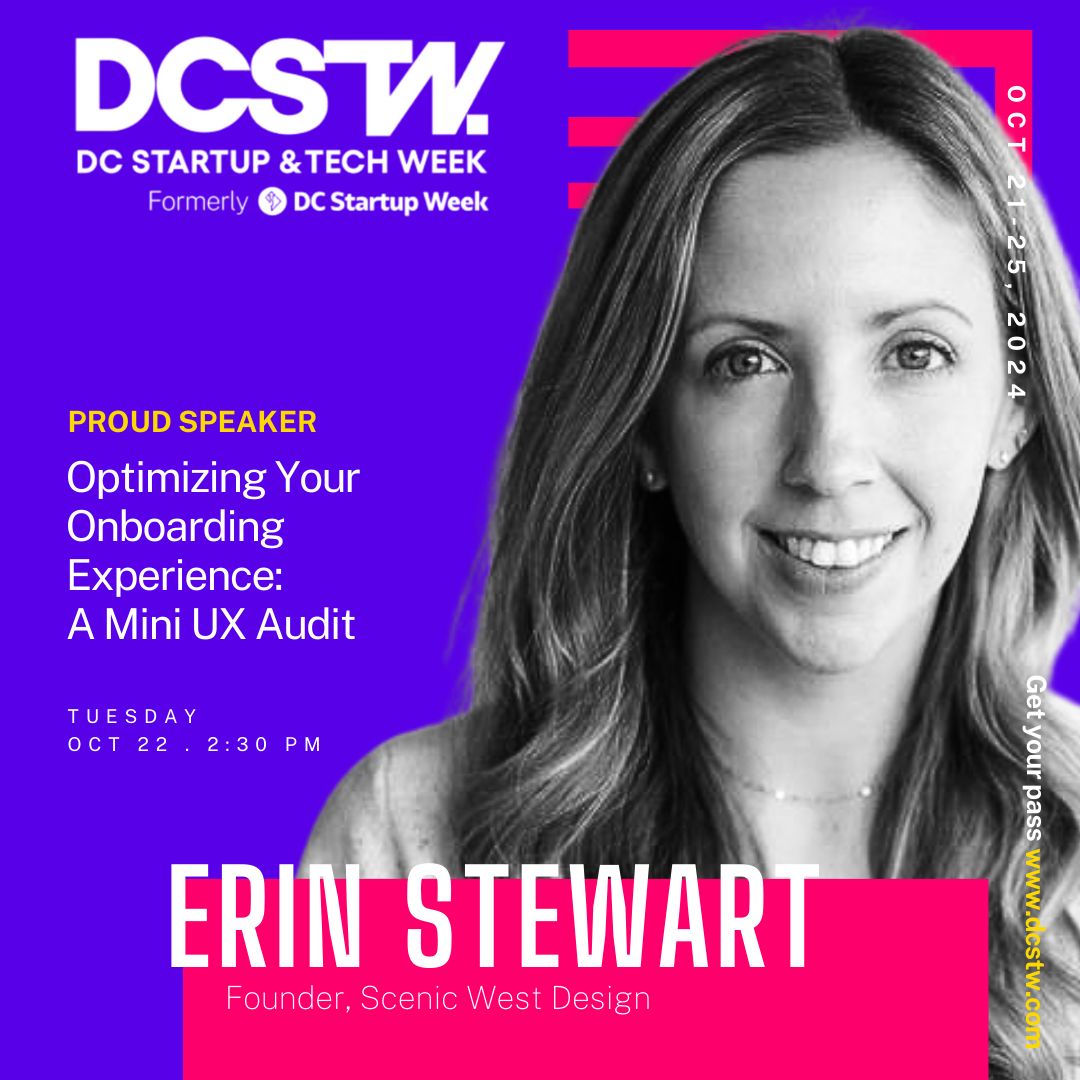
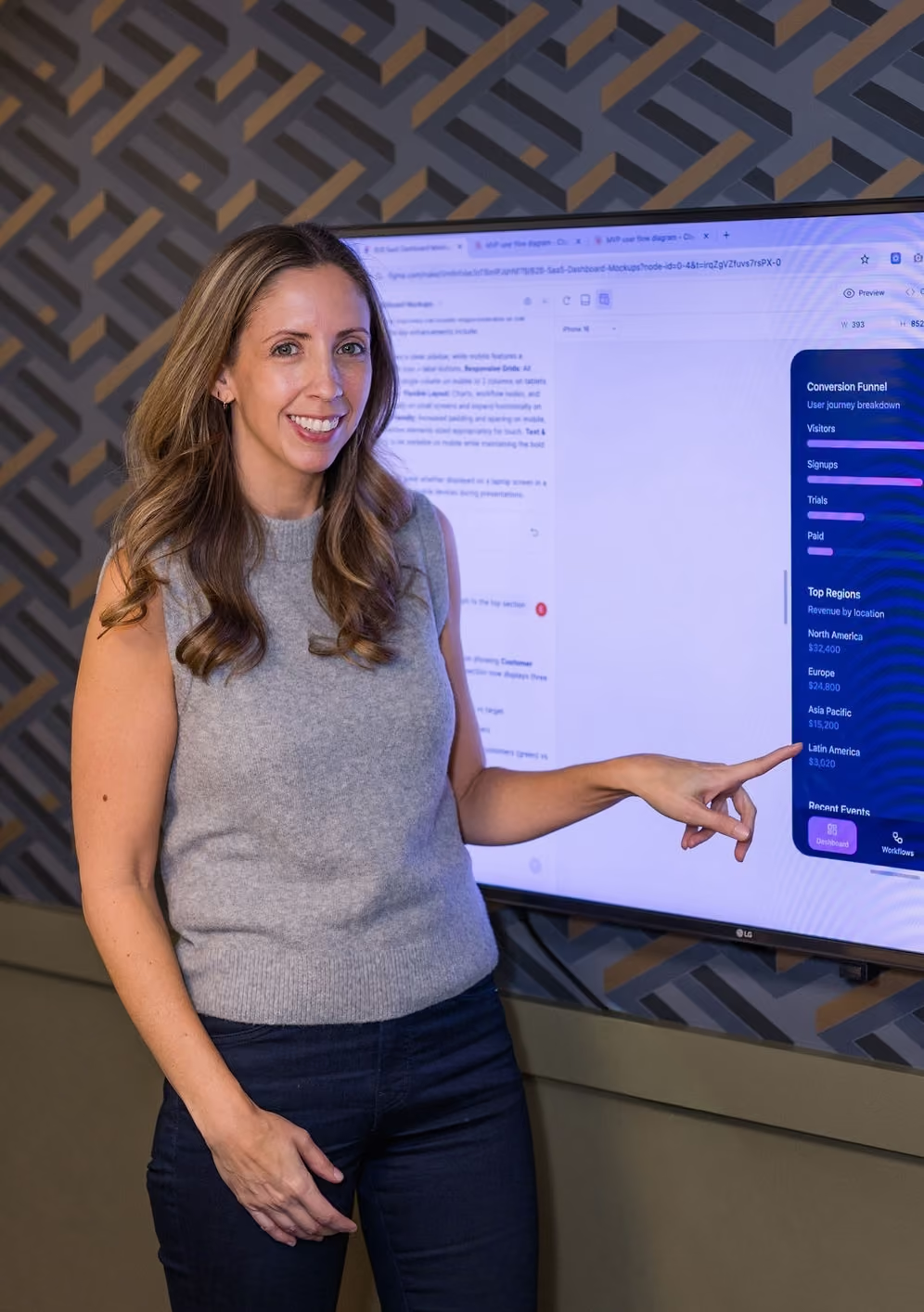
Through keynote presentations, leadership sessions, and interactive workshops, Erin Stewart helps organizations navigate the intersection of AI, product strategy, and UX. Audiences leave with practical frameworks they can immediately apply to align teams, validate ideas, and build products with greater confidence based on her experience working with 100+ AI/ML, IoT, and B2B SaaS product teams.
Brands we've worked with
AUDIENCES & INDUSTRIES

Conference & event speaking for product, technology & innovation teams

From technology conferences and startup communities to industry events and leadership teams, Erin brings a practical perspective on how AI is changing product strategy, UX, innovation, and the way teams build software. Her sessions are grounded in nearly two decades of hands-on product experience and designed to give audiences ideas they can put into practice.
Technology & AI
For conferences exploring AI, emerging technology, software development, and how AI is reshaping the way products are imagined, validated, designed, and built.
Product & UX
For product management, UX, design, and research audiences looking for practical ways to improve product decisions, accelerate discovery, and design better AI-powered experiences.
Startups & Entrepreneurship
For startup conferences, founder communities, accelerators, and innovation programs focused on turning ideas into validated products, competing in the AI era, and building with limited time and resources.
B2B SaaS & Enterprise Software
For SaaS and enterprise technology audiences navigating complex workflows, evolving customer expectations, AI-enabled products, and the challenge of modernizing established software.
Health Tech, EdTech & FinTech
For industry events where technology teams are balancing innovation with complex users, workflows, business requirements, and higher-stakes product decisions.
Industrial Tech & IoT
For manufacturing, IoT, connected-product, and industrial technology audiences exploring how better product strategy, UX, data, and AI can turn complex systems into more useful experiences.
Case Studies

Case studies

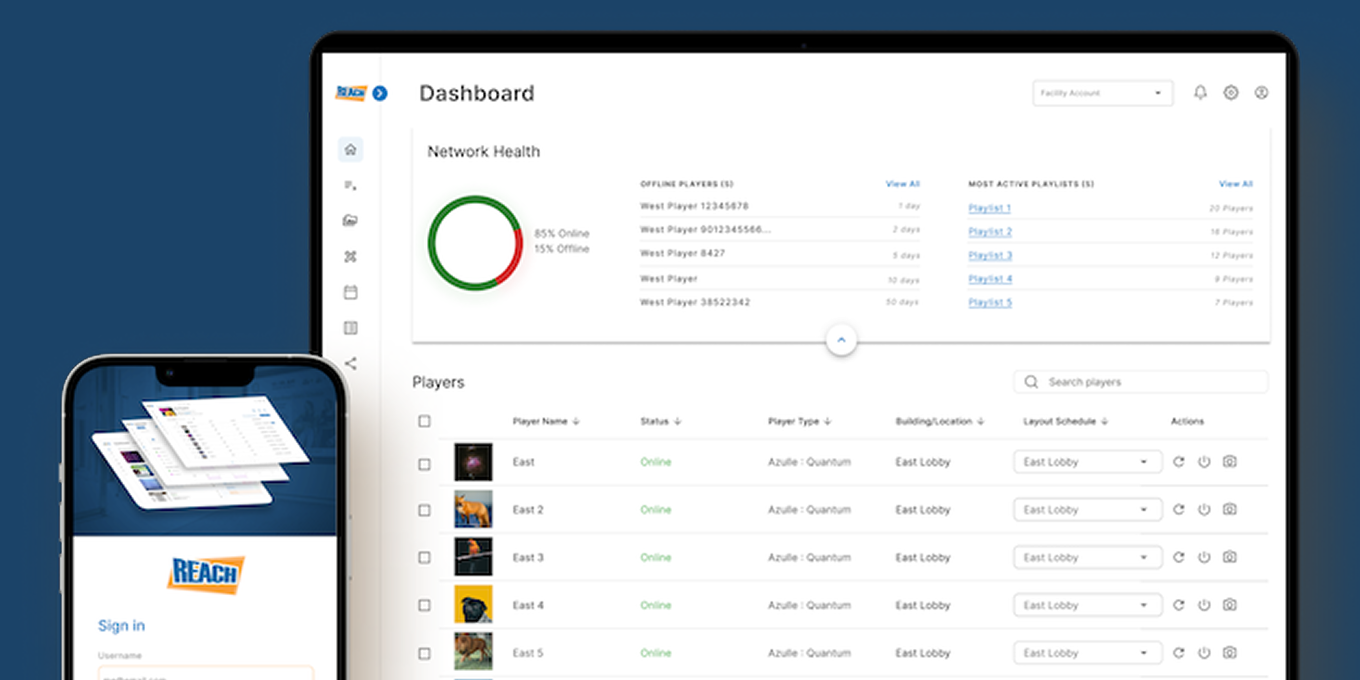
How REACH launched a successful 2.0 version of their B2B SaaS platform by starting with a UX audit.
View Case Study
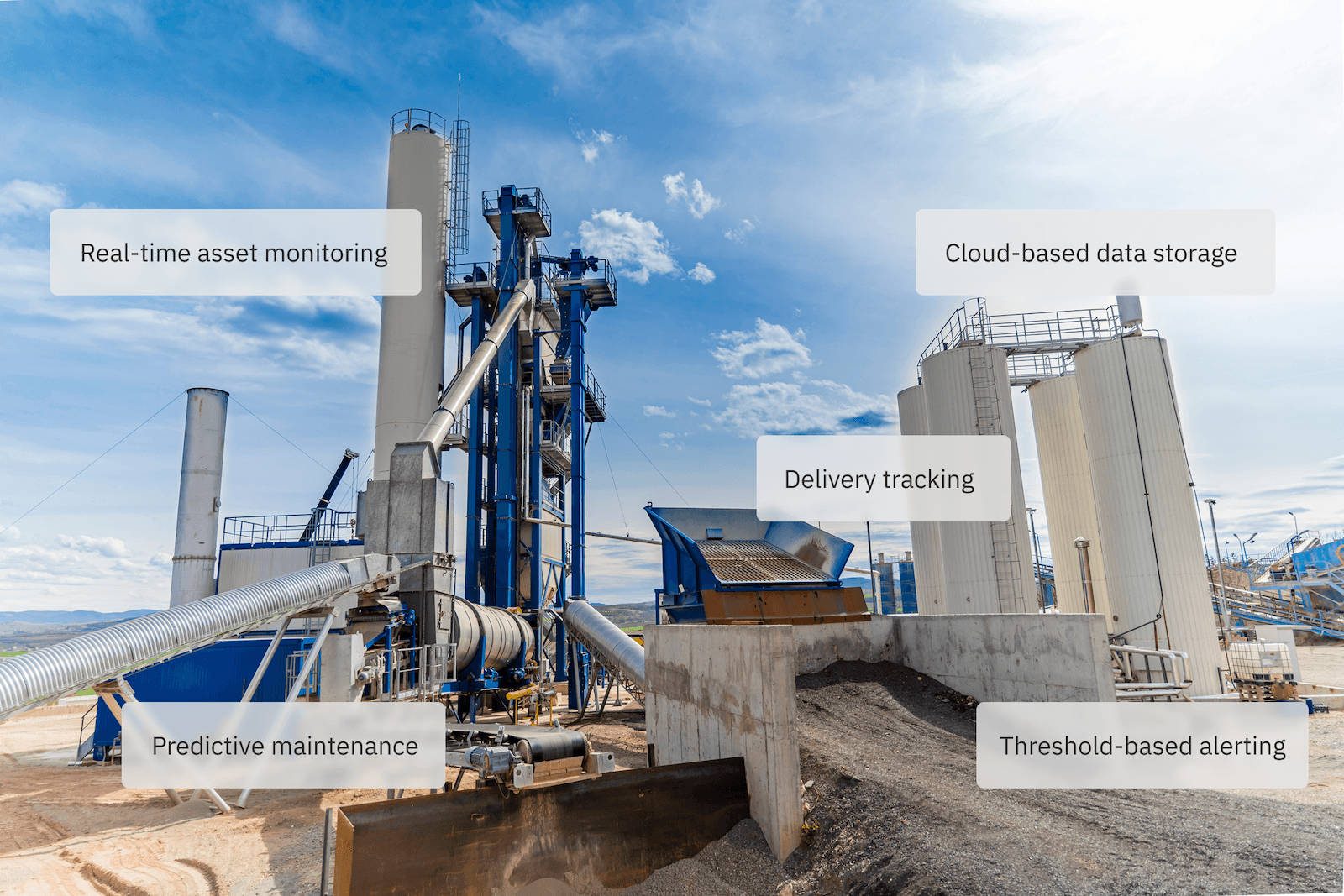
Rock to Road, Connected: Designing Astec's First Unified IoT Platform
View Case Study
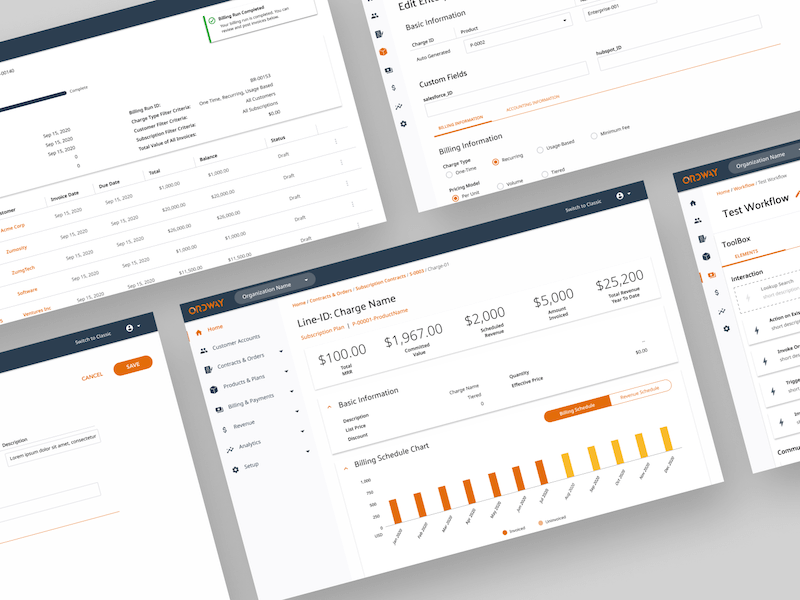
How contract UX/UI design support saved Ordway Labs money while redesigning and expanding their billing and revenue automation platform.
View Case Study
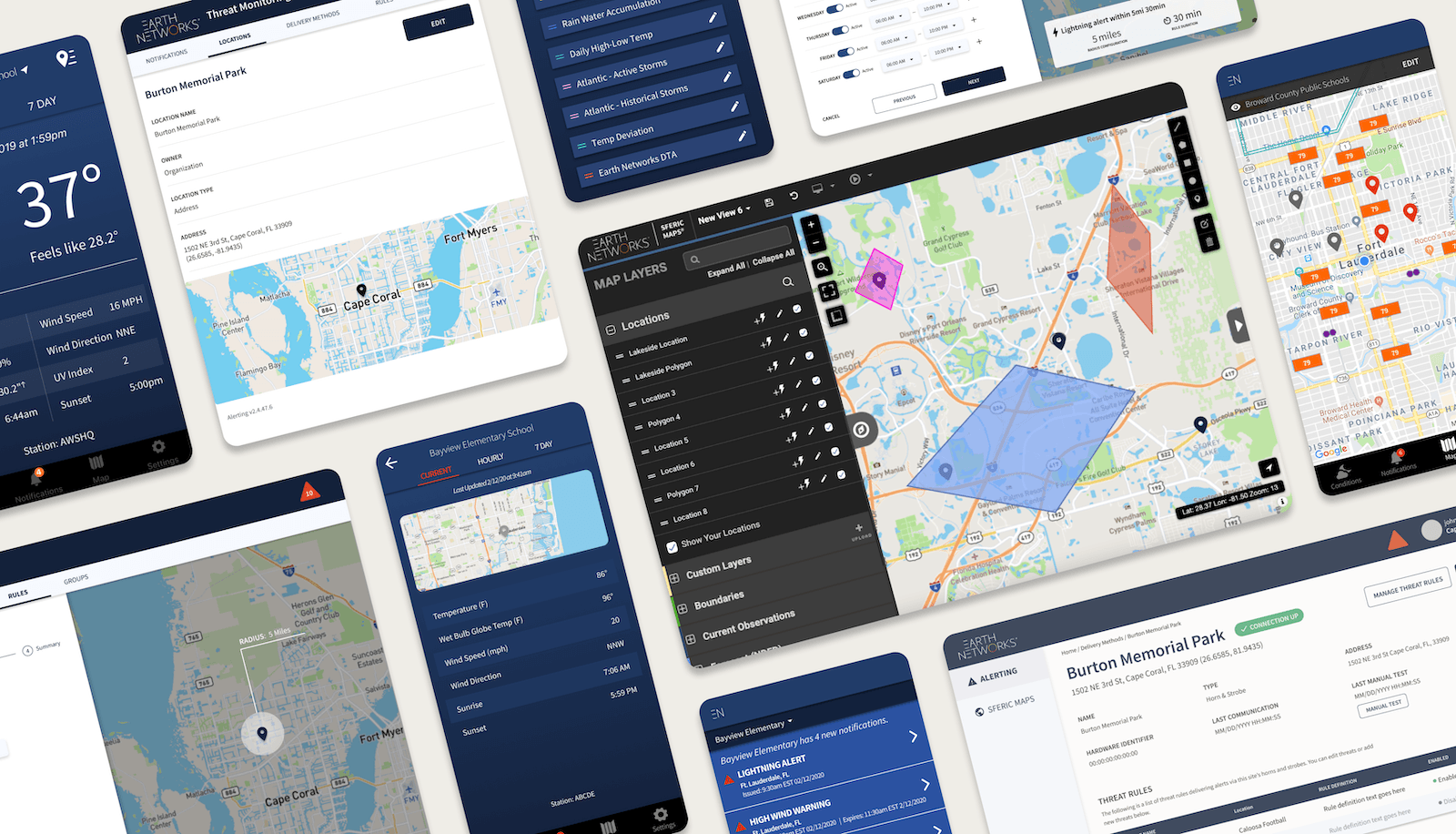
Sferic Connect: Extending Enterprise Weather Alerting to the Field
View Case Study
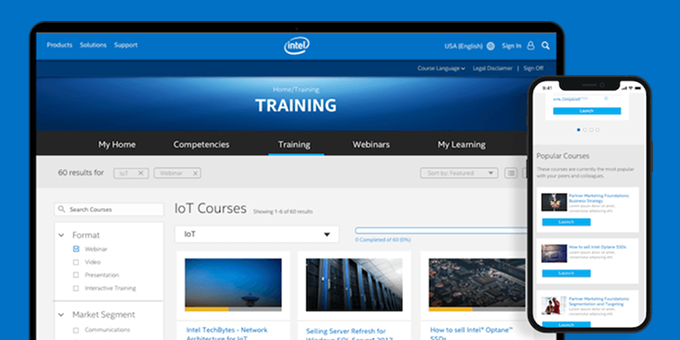
How our UX Partnership with the Crowd Wisdom LMS team has led to dozens of successful online education products
View Case Study
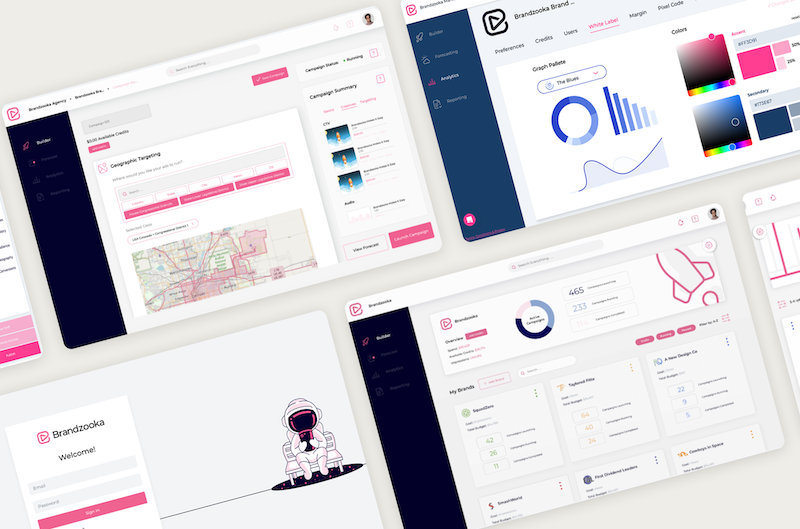
How a B2B SaaS platform went from chaos to clarity with embedded Agile Product Managers
View Case Study
From Paper to Platform: Digitizing PAR's RIAS-2 Assessment
View Case Study
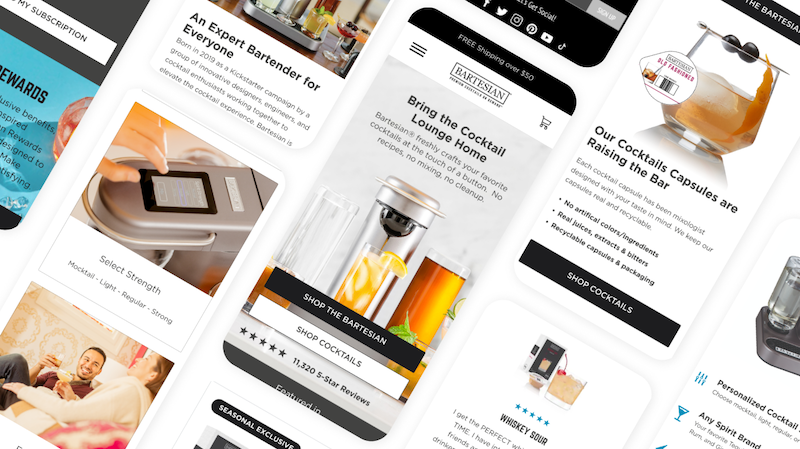
How a UX audit and a homepage redesign improved Bartesian’s cocktail machine purchase conversion rate.
View Case Study
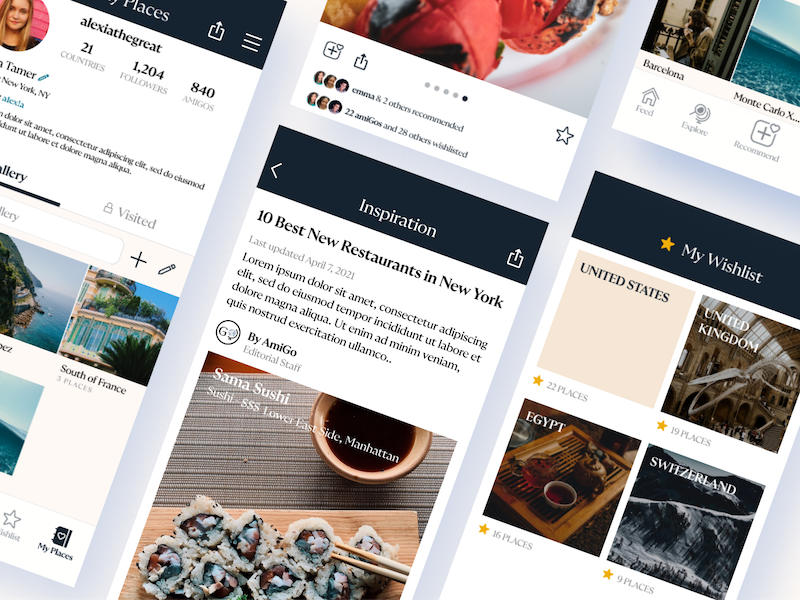
How a travel app startup reached the top 100 on the App Store’s travel app list in its first year after launch.
View Case Study
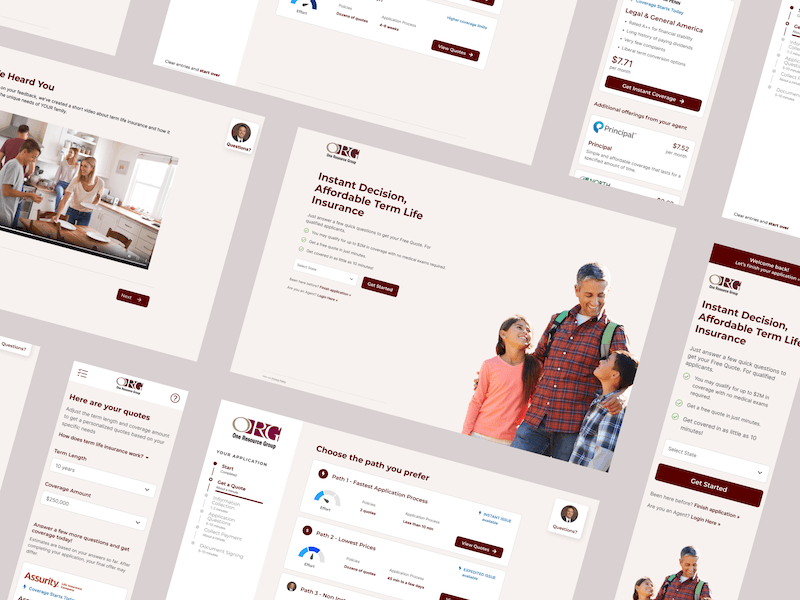
How contract UX/UI design support led ConsumerOptix to a successful InsurTech product launch with excellent customer feedback.
View Case Study
How a B2B SaaS company saved time on product planning and prioritization
View Case Study
FAQ

Questions about product strategy, UX, and AI?

Get practical answers to common questions about product strategy, UX consulting, product discovery, validation, and how AI is changing the way digital products are planned, designed, and built.

What does a product strategy consultant do?

A product strategy consultant helps teams make better decisions about what to build, why it matters, and where to invest. They bring together business goals, customer needs, market opportunities, product data, and technical realities to create a clear product direction. At Scenic West, that often means aligning leadership, validating assumptions, prioritizing opportunities, and giving design and engineering the clarity they need to move forward confidently.

When should you bring in outside product strategy expertise?

Outside product strategy expertise is most valuable when an important product decision feels unclear, high-risk, or difficult to align around internally. This often happens when launching a new product, defining an MVP, prioritizing a roadmap, addressing growth or adoption challenges, modernizing an existing product, or preparing for a significant engineering investment. An experienced outside perspective can help teams cut through competing priorities and move from uncertainty to a clear, evidence-backed direction.

How can UX designers support AI-accelerated software development?

UX designers help AI-accelerated development teams turn fast-moving concepts and generated code into coherent, usable, production-ready product experiences. They define workflows, information architecture, interaction patterns, edge cases, and design systems that give both engineers and AI coding tools clearer direction. As AI makes implementation faster, experienced UX designers also provide an important quality layer, ensuring speed doesn’t come at the expense of usability, consistency, accessibility, or the broader product experience.

How does the product discovery process work?

Product discovery reduces uncertainty before a team makes significant product and engineering investments. It typically starts by identifying the decisions that need to be made and aligning around business goals, customer needs, existing evidence, and technical constraints. From there, teams can use customer research, product data, competitive analysis, prototyping, and validation to test the assumptions that matter most. The right discovery process isn't necessarily the longest one; it's the right amount of research and validation for the risk of the decision being made.

How is AI changing product strategy and product development?

AI is making product design and software development dramatically faster, shifting more product risk upstream to the decisions about what should be built. Teams can generate concepts, interfaces, analysis, and code faster than ever, but speed doesn't guarantee that they're solving the right problem. Strong product strategy, customer understanding, prioritization, and expert judgment become even more important when execution accelerates. We believe the strongest teams will combine human expertise with AI-accelerated workflows to make better decisions and execute them faster.

How can product teams validate an idea before investing in development?

Product teams can validate an idea by testing its most important assumptions before committing significant time and engineering resources. Depending on the risk, that might include customer interviews, market research, product data, concept testing, prototypes, usability testing, or technical validation. The goal isn't to eliminate uncertainty or validate every detail. It's to gather enough evidence to make the next investment with greater confidence and avoid building the wrong thing faster.

Let’s talk before you build

If you're making an important product decision, let's start with a conversation. We'll help you identify the right next step—even if it's smaller than you expected.